
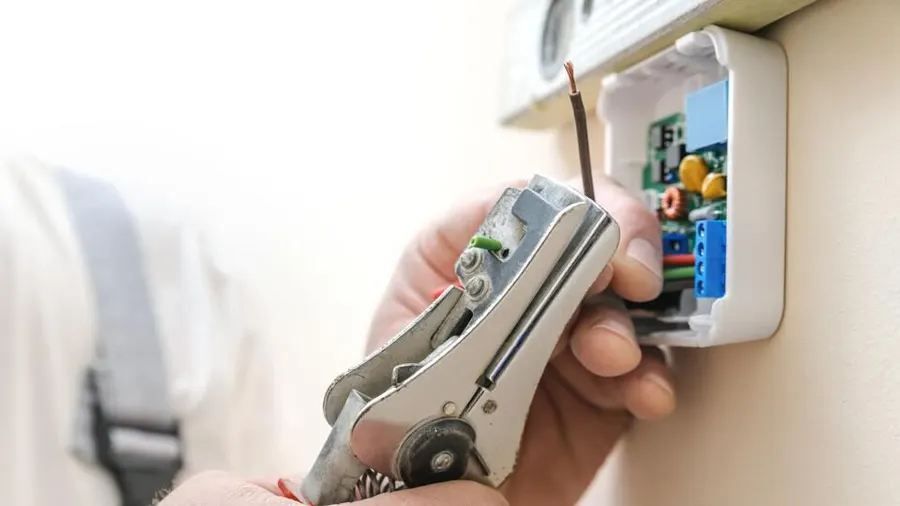
In New Orleans, thermostat repair typically costs $175 to $350, and thermostat replacement costs $263 to $526. The final price depends on the thermostat type, problem severity, ease of access, labor, and parts. A faulty thermostat can cause poor cooling, higher energy bills, uneven indoor temperatures, and reduced HVAC efficiency, so it pays to fix it early.
This guide from Gauthier’s Air Conditioning and Heating explains what affects thermostat repair cost, when to repair vs. replace, and how a professional HVAC technician diagnoses the problem.
Thermostat Repair Cost vs. Thermostat Replacement Cost in New Orleans
| Service | Estimated Cost in New Orleans, LA |
| Thermostat repair cost | $175 – $350 |
| Thermostat replacement cost | $263 – $526 |
These prices are estimates. Your actual cost depends on the thermostat model, the complexity of the problem, and the work required. A licensed HVAC technician can give you an exact quote after a diagnosis.
What Affects the Cost of Thermostat Repair and Replacement?
- Thermostat type: Basic, programmable, and smart thermostats (Wi-Fi models) differ in price, features, and installation time.
- Problem severity: A loose wire or wrong setting costs less to fix than a failed temperature sensor or damaged circuit board.
- Ease of access: Wall location and wiring layout affect labor time.
- Parts and materials: Replacement wiring, batteries, sensors, and mounting hardware add to the total.
- HVAC system compatibility: Some heating and cooling systems need a specific thermostat, a C-wire (common wire) adapter, or wiring upgrades.
What Does a Thermostat Do in Your HVAC System?
Your thermostat is the control center of your air conditioning and heating system. It reads indoor temperature and signals your furnace, heat pump, or AC unit to turn on or off. When it fails, your whole HVAC system can run inefficiently, cycle too often, or stop responding, which wastes energy and raises your utility bill.
Signs of a Faulty Thermostat
Watch for these common thermostat problems:
- Inaccurate temperature readings compared with the actual room temperature
- Blank, dim, or unresponsive display
- HVAC system short cycling (turning on and off too frequently)
- AC or heater not turning on or not shutting off
- Temperature settings that don’t hold or reset on their own
- Sudden spikes in your energy bill
If you notice any of these, start with basic thermostat troubleshooting: check the batteries, confirm the mode (cool, heat, auto), and check the circuit breaker. If the problem continues, call a professional.
When to Repair Your Thermostat
Thermostat repair is usually the more cost-effective choice when:
- The problem is minor. Loose wiring, incorrect settings, dirty components, or a poor electrical connection can often be fixed quickly.
- The thermostat is new or in good condition. A well-functioning unit with a small fault is worth repairing.
- The display and controls still respond. A working interface usually means the thermostat itself is sound.
- Repair costs much less than replacement. If fixing it costs significantly less than a new thermostat installation, repair makes sense.
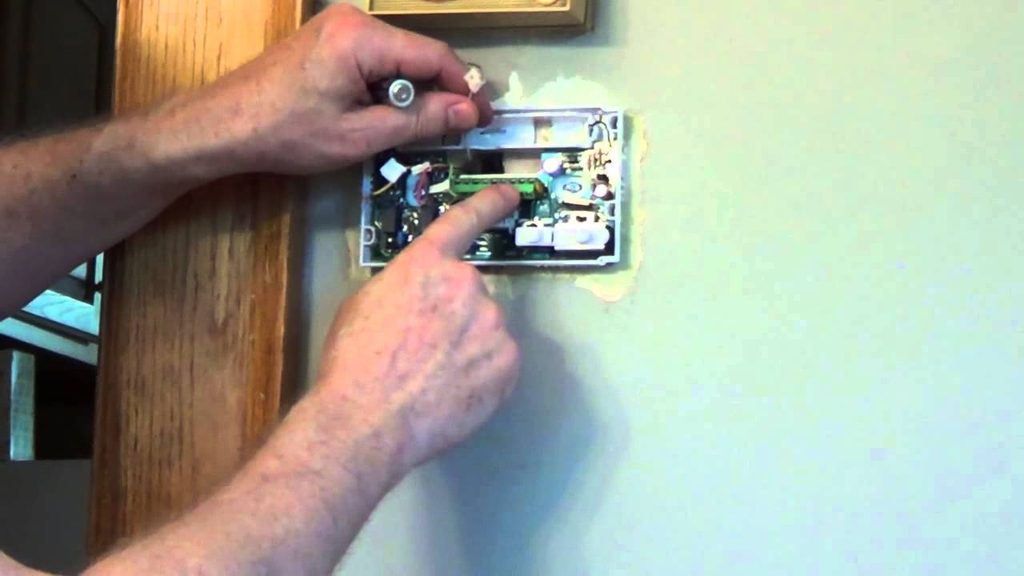
When to Replace Your Thermostat
Thermostat replacement is the better investment when:
- The thermostat is old or outdated. Older models often lack compatibility with newer HVAC systems and energy-saving features.
- The same problems keep coming back. Repeated repairs add up and signal a failing unit.
- The unit is severely damaged. A cracked display, failed internal components, or major malfunction usually means replacement.
- It’s incompatible with your system. If your thermostat doesn’t work with your heating and cooling equipment, or you want a programmable or smart thermostat for better temperature control and energy efficiency, upgrading is the best decision.
Professional Thermostat Repair: What to Expect
The first step is finding the root cause. Basic thermostat troubleshooting helps determine whether the issue comes from the settings, wiring, power supply, or the thermostat itself. A qualified technician will typically:
- Inspect the thermostat display, sensors, and calibration
- Test the wiring, voltage, and power supply
- Check compatibility with your HVAC equipment
- Recommend repair or replacement and give you a clear cost estimate
If the trouble is with the heating or cooling equipment itself, further HVAC thermostat repair may be needed so the thermostat and system work together correctly.
Can I Fix My Thermostat Myself?
Simple fixes like replacing batteries, adjusting settings, or cleaning the unit are safe to try. Wiring and electrical problems are different. Mistakes can damage the thermostat or your HVAC system and create safety risks, so these are best left to a licensed HVAC professional.
Why Choose Gauthier’s Air Conditioning and Heating for Thermostat Repair?
Gauthier’s Air Conditioning and Heating provides professional thermostat repair, replacement, and installation at reasonable prices, backed by 40 years of local HVAC experience and upfront, transparent estimates. We diagnose the real problem first, so you only pay for what your system needs.
Need thermostat repair or replacement? Call (504) 481-4515 or Contact Us for a fast, accurate quote.
Conclusion
A faulty thermostat doesn’t always need to be replaced. If the problem is minor and the unit is in good condition, thermostat repair (175-350 in New Orleans) is often the smart choice. If the thermostat is outdated, badly damaged, repeatedly failing, or incompatible with your HVAC system, thermostat replacement (263-526) will save you money and frustration in the long run. A professional diagnosis is the best way to know which option fits your home and budget.
Frequently Asked Questions
How much does it cost to fix a thermostat?
Thermostat repair in New Orleans costs approximately 175-350, depending on the problem, labor, thermostat type, accessibility, and required parts.
How much does it cost to replace a thermostat?
Thermostat replacement in New Orleans costs approximately 263-526, depending on the thermostat model, installation requirements, labor, and other factors.
Is it better to repair or replace a thermostat?
Repair is appropriate when the problem is minor and the thermostat is in good condition. Replacement is more practical when the thermostat is old, severely damaged, repeatedly malfunctioning, or incompatible with your HVAC system.
How do I know if my thermostat is faulty?
Common signs include inaccurate temperature readings, an unresponsive display, frequent HVAC cycling, or a system that doesn’t turn on or off as expected.
Should I repair my thermostat myself?
Checking batteries and settings is fine, but wiring and electrical problems should be handled by a qualified HVAC professional to avoid damaging the thermostat or HVAC system.
How long does a thermostat repair take?
Most straightforward repairs, such as loose wiring or recalibration, can be completed in a single visit. Your technician can confirm the timeline after diagnosis.